
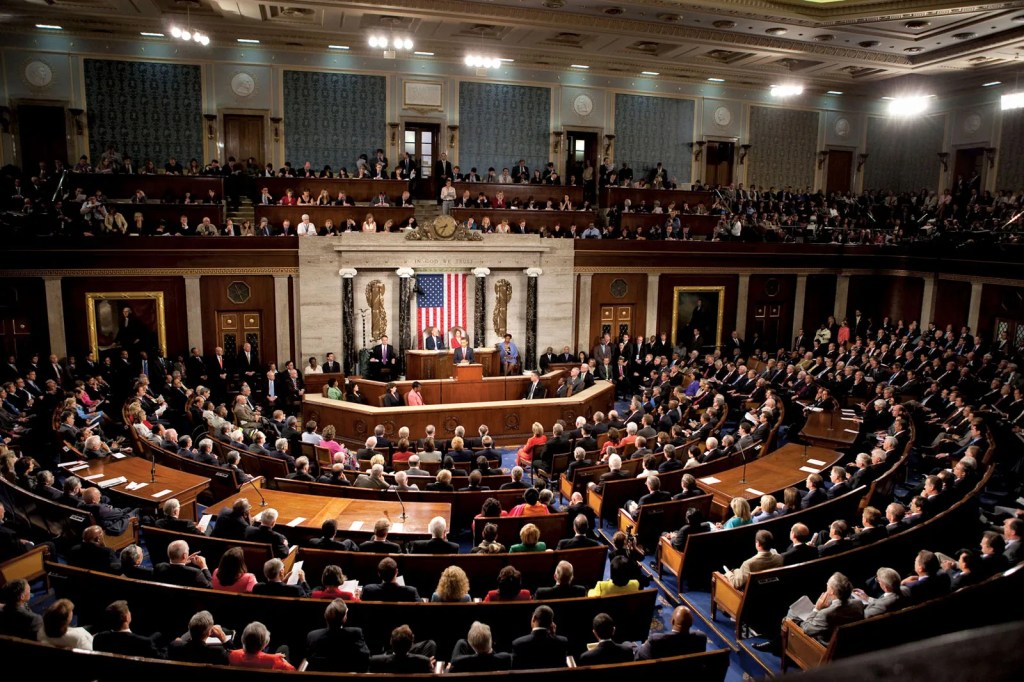
In numerous democratic nations worldwide, there seems to be a growing presence of elderly politicians in positions of power within parliaments, senates, and other governing positions. Although having experience and wisdom is important in political leadership, the age of lawmakers and others in power can become a notable issue when it comes to speak for an entire population of differing individuals. As life expectancies rise worldwide, more individuals are remaining in the workforce for extended periods of time. However, it is important for politics to also establish regulations on the maximum time an individual can hold a leadership position of that much significance and importance.
As politicians age, their ability to understand the difficulties faced by younger generations tends to deplete. Keeping up with trends and the growth of technology is an issue many elderly people are facing in todays society. Concerns like climate change, student loans, and the gig economy have a huge impact on the youth of today. Elderly politicians, raised in a significantly different economic, social, and technological environment, may not completely understand the severity and the importance for change related to these issues. The average age of parliamentarians is typically much higher than the median age of the population, this could make the youth feel as though they are not properly represented in parliament. This age gap may cause parliament to pass policies that do not effectively address the worries of younger individuals. Which would result in them feeling excluded from the political system. And having a more diverse set of ages may lead to a more inclusive and more well rounded decision making within parliament.Democracy thrives when there is equality and fairness.
However, if older politicians who no longer connect or relate with the majority of the population dominate political spaces, the system will become unbalanced. While older politicians do have valuable experience and institutional knowledge, there needs to be a limit to ensure political systems stay flexible, fair, and represent all age groups. By implementing a required age for retirement, it ensures that desicion making is done with a variety of knowledge and input, guaranteeing that political decisions reflect the diverse range of people living in a population. This would contribute to creating a government that genuinely represents the people, is controlled by the people, and works for the people.
Additionally, getting older can lead to decreases in mental and physical capabilities. While some elderly people can retain strong brain power and sharp decision-making skills, others may face a decline in memory, reaction times, and adaptability as they age. According to the National Institue of Health the brain starts a rapid decline bewteen the ages of 65- 70, and seeing that the average age of politicians are close to thise number is alarming. One’s ability to quikly sift through and anaylze new information, discuss sensitive topics and make important, desperate decisions may be at risk. When working In the field of politics, it is important for leaders to have the necessary physical and mental capabilities to govern well. The potential risks of having elderly politicians in charge, especially during crises, are too significant to disregard. Therefore making a manderotry age of retirement could allow parliament to bring in young, fresh minds with a modern approach. Several countries have already recognized the importance of age limits for politicians. For example, in some nations, the judiciary creates mandatory retirement ages for judges. Such as in Norway whose mandatory retirement age of supreme court Judges is 70 years old. The same limit goes for many over governing roles. Similarly, many private companies set retirement ages for executives, particularly in positions that require quick decision-making and adaptability therefore why can governing powers do the same? Establishing a standard retirement age, such as 70 or 75, could ensure that politicians exit public office at an appropriate time, making way for newer generations of leaders.
Hence, the problem of older politicians is more than just their age; it also involves keeping agility, responsiveness, and inclusivity in a political system. Having a required age for politicians to retire would guarantee a constant flow of new viewpoints in parliament and other political areas while also acknowledging the experience and achievements of older politicians. By making room for fresh leadership, we can encourage a political atmosphere that mirrors the entire population and is more prepared to tackle future obstacles and crises. In the end, the aim is to find a middle ground that values experience yet knows when to hand over leadership responsibilities to the new generation. Setting an age requirement for political office is essential for building a stronger, more dynamic democracy.
 NextGenPolitics
Leave a comment